As remote work becomes more common, creating a functional and aesthetically pleasing home office is essential. A well-designed workspace can boost productivity, enhance comfort, and make working from home more enjoyable. But how do you strike the right balance between style and ergonomics? Here are some tips to help you choose the perfect furniture for your home office, focusing on desks, chairs, and storage solutions.
1. Choosing the Right Desk: Balance Between Functionality and Design
Your desk is the centerpiece of your home office, so it’s important to select one that meets your needs while complementing your style. Here are a few considerations:
-
Size and Shape: Choose a desk that fits comfortably in your space without overcrowding it. L-shaped desks are great for maximizing corner space, while rectangular desks offer a more traditional setup. If you have limited space, consider a wall-mounted desk or a compact writing desk.
-
Height: Ensure your desk is at the correct height to prevent strain on your wrists and shoulders. The standard desk height is around 28-30 inches, but adjustable desks can provide flexibility if you alternate between sitting and standing.
-
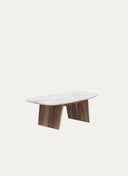
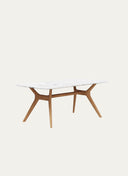
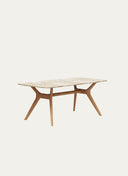
Material and Style: From sleek glass to warm wood, the material of your desk sets the tone for your workspace. Consider your overall home decor—do you prefer a minimalist, industrial look or a more traditional, rustic vibe?
2. Selecting an Ergonomic Chair: Comfort is Key
A good chair is critical for maintaining posture and preventing back pain, especially if you spend long hours at your desk. When choosing a chair, focus on the following features:
-
Adjustability: Look for a chair with adjustable height, armrests, and lumbar support. These features allow you to tailor the chair to your body’s needs, promoting better posture and reducing discomfort.
-
Seat Cushioning and Material: Opt for a chair with sufficient cushioning to avoid pressure points. Breathable materials like mesh are great for ventilation, while leather or fabric upholstery can add a touch of luxury.
-
Mobility: A chair with wheels can make it easier to move around your workspace, while a swivel feature allows you to reach different areas of your desk without straining.
-
Style: Ergonomic doesn’t have to mean unattractive. Many modern office chairs combine functionality with sleek design, offering options that match your aesthetic preferences.
3. Storage Solutions: Keeping Your Space Organized
A clutter-free workspace is essential for maintaining focus and reducing stress. Incorporating smart storage solutions can help you keep everything organized and within reach:
-
Filing Cabinets: If you deal with a lot of paperwork, a filing cabinet is a must. Choose one that matches your desk and offers enough space for all your documents. Vertical cabinets are great for smaller spaces, while lateral cabinets offer more storage but require more room.
-
Shelving: Wall-mounted shelves can save floor space and provide a place for books, decor, and office supplies. Floating shelves add a modern touch, while closed cabinets can hide away clutter.
-
Desk Organizers: Invest in drawer dividers, cable management tools, and desktop organizers to keep your essentials neatly arranged. This not only improves the look of your workspace but also enhances your efficiency by keeping everything you need within arm’s reach.
4. Personalizing Your Space: Add a Touch of You
While functionality is important, personalizing your workspace can make it a more pleasant environment to spend time in. Consider adding:
-
Decorative Items: A few well-chosen decor pieces, such as artwork, plants, or personal mementos, can add warmth and personality to your office.
-
Lighting: Good lighting is crucial for reducing eye strain. A combination of natural light and task lighting, such as a stylish desk lamp, can create an inviting and productive atmosphere.
-
Color Scheme: Choose a color palette that promotes focus and relaxation. Soft, neutral tones can create a calming environment, while pops of color can add energy and creativity.
Conclusion
Creating the perfect home office is all about finding the right balance between ergonomics and style. By carefully selecting your desk, chair, and storage solutions, you can design a workspace that not only looks great but also supports your health and productivity. Remember, your home office should be a reflection of you—functional, comfortable, and uniquely yours.








How to Create the Perfect Home Office: Tips for Ergonomic and Stylish Furniture
As remote work becomes more common, creating a functional and aesthetically pleasing home office is essential. A well-designed workspace can boost productivity, enhance comfort, and make working from home more enjoyable. But how do you strike the right balance between style and ergonomics? Here are some tips to help you choose the perfect furniture for your home office, focusing on desks, chairs, and storage solutions.
1. Choosing the Right Desk: Balance Between Functionality and Design
Your desk is the centerpiece of your home office, so it’s important to select one that meets your needs while complementing your style. Here are a few considerations:
Size and Shape: Choose a desk that fits comfortably in your space without overcrowding it. L-shaped desks are great for maximizing corner space, while rectangular desks offer a more traditional setup. If you have limited space, consider a wall-mounted desk or a compact writing desk.
Height: Ensure your desk is at the correct height to prevent strain on your wrists and shoulders. The standard desk height is around 28-30 inches, but adjustable desks can provide flexibility if you alternate between sitting and standing.
Material and Style: From sleek glass to warm wood, the material of your desk sets the tone for your workspace. Consider your overall home decor—do you prefer a minimalist, industrial look or a more traditional, rustic vibe?
2. Selecting an Ergonomic Chair: Comfort is Key
A good chair is critical for maintaining posture and preventing back pain, especially if you spend long hours at your desk. When choosing a chair, focus on the following features:
Adjustability: Look for a chair with adjustable height, armrests, and lumbar support. These features allow you to tailor the chair to your body’s needs, promoting better posture and reducing discomfort.
Seat Cushioning and Material: Opt for a chair with sufficient cushioning to avoid pressure points. Breathable materials like mesh are great for ventilation, while leather or fabric upholstery can add a touch of luxury.
Mobility: A chair with wheels can make it easier to move around your workspace, while a swivel feature allows you to reach different areas of your desk without straining.
Style: Ergonomic doesn’t have to mean unattractive. Many modern office chairs combine functionality with sleek design, offering options that match your aesthetic preferences.
3. Storage Solutions: Keeping Your Space Organized
A clutter-free workspace is essential for maintaining focus and reducing stress. Incorporating smart storage solutions can help you keep everything organized and within reach:
Filing Cabinets: If you deal with a lot of paperwork, a filing cabinet is a must. Choose one that matches your desk and offers enough space for all your documents. Vertical cabinets are great for smaller spaces, while lateral cabinets offer more storage but require more room.
Shelving: Wall-mounted shelves can save floor space and provide a place for books, decor, and office supplies. Floating shelves add a modern touch, while closed cabinets can hide away clutter.
Desk Organizers: Invest in drawer dividers, cable management tools, and desktop organizers to keep your essentials neatly arranged. This not only improves the look of your workspace but also enhances your efficiency by keeping everything you need within arm’s reach.
4. Personalizing Your Space: Add a Touch of You
While functionality is important, personalizing your workspace can make it a more pleasant environment to spend time in. Consider adding:
Decorative Items: A few well-chosen decor pieces, such as artwork, plants, or personal mementos, can add warmth and personality to your office.
Lighting: Good lighting is crucial for reducing eye strain. A combination of natural light and task lighting, such as a stylish desk lamp, can create an inviting and productive atmosphere.
Color Scheme: Choose a color palette that promotes focus and relaxation. Soft, neutral tones can create a calming environment, while pops of color can add energy and creativity.
Conclusion
Creating the perfect home office is all about finding the right balance between ergonomics and style. By carefully selecting your desk, chair, and storage solutions, you can design a workspace that not only looks great but also supports your health and productivity. Remember, your home office should be a reflection of you—functional, comfortable, and uniquely yours.